Brisket Pho & Fermented Pickled Garlic- Tỏi Ngâm Giấm
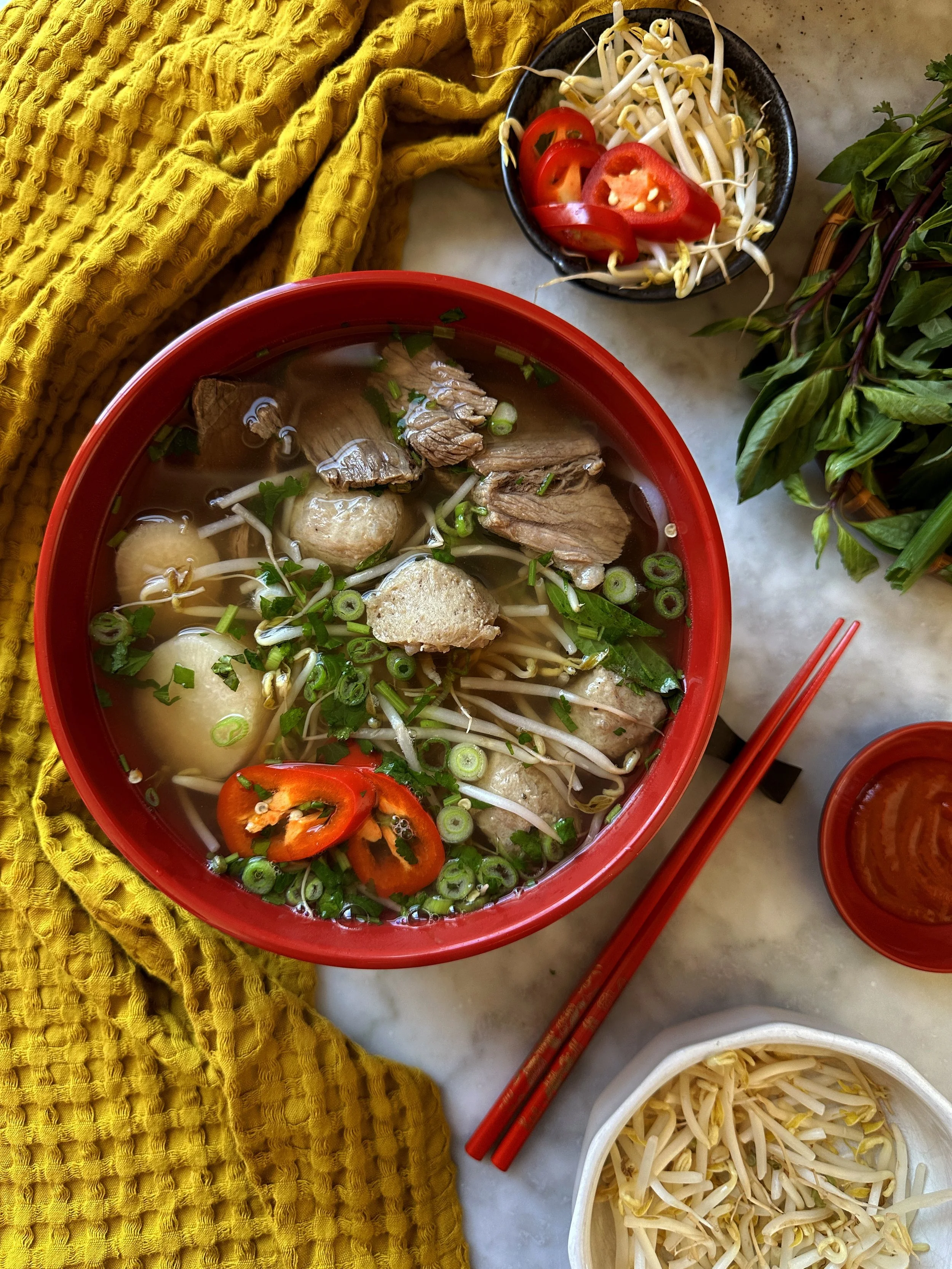
Fermented Pickled Garlic (Tỏi Ngâm Giấm)
A classic Northern Phở garnish
In northern Vietnam, Phở Bắc is known for its clean, beef-forward broth and simple garnishes. Unlike southern phở, which often comes with large plates of herbs, bean sprouts, and sauces, northern bowls are typically served with just a few essential accompaniments: green onions, fermented chili sauce, and pickled garlic.
That small jar of garlic sitting on the table is more important than it looks. The sharp, tangy bite of pickled garlic cuts through the richness of the broth and tender beef, brightening the entire bowl. It’s one of those details that quietly transforms the flavor of phở.
Traditional northern phở is also known for its focus on high-quality beef and a deeply simmered broth. One of the most popular cuts in a bowl of phở is cooked brisket. Slowly simmered in the broth, brisket becomes incredibly tender while still holding its texture. The meat absorbs the flavor of the broth and adds a rich, beefy depth that pairs perfectly with the bright tang of pickled garlic.
In our family, a bowl of phở never feels complete without a small spoonful of this garlic. It’s simple to make, and after just a short fermentation it develops a mellow tang that works beautifully with the warm, savory broth.
This recipe is brought to you by Cafe Casino.
Why Raw Beef Cooks in the Bowl
Traditional phở is served with thinly sliced raw beef, and the cooking happens in the bowl. This is how it works:
Phở broth is typically served at 190–205°F (just below boiling)
Beef sliced paper-thin cooks almost instantly at temperatures above 140°F
When the hot broth hits the cold meat, heat transfer is immediate
Because the slices are so thin, they fully cook through in seconds — gently, without tightening or drying out. This method preserves tenderness and keeps the beef delicate, which is exactly how phở is meant to eat.
*Please note: This is our family recipe using the exact ingredients we cook with at home. The Amazon links below show the products we personally use, and all measurements, and flavor notes are based on those specific brands.
Dried sandworm “Sa Sung” (*optional)
MSG from Dad’s Spice Kit
Beef phở stock powder (*optional, for “quicker” pho)
1 Pho Spice Sachet / kit (spice kit) from Dad’s Spice Kit
Why Vietnamese-Sourced Spices Matter
Phở is only as authentic as the spices that go into it. Many blends use spices sourced from all over the world, but the flavor profile changes depending on where those spices are grown, harvested, and dried.
In Vietnam, spices like star anise, cassia cinnamon, and coriander are cultivated in a climate and soil that give them a softer sweetness and warmer aromatics. They’re less sharp, less aggressive, and better suited for long, gentle simmering. That’s the flavor my dad grew up with, and that’s the flavor we aim to preserve.
Our phở spice kits are built using mostly Vietnamese-sourced spices, blended the way my dad learned it — balanced, restrained, and meant to support the broth, not dominate it.
We also include rock sugar, a small amount of MSG, and mushroom powder because traditional phở isn’t afraid of umami. Rock sugar adds a clean, rounded sweetness. MSG enhances savoriness without changing the flavor. Mushroom powder deepens the broth naturally without weighing it down. Used properly and added at the end for authentic tasting beef pho.
Master Tips for the Perfect Pho Broth
Bone Selection: Use a mix of marrow, knuckle, and optional oxtail bones for a flavorful and collagen-rich broth. Trim excess fat to avoid cloudiness.
Soak Bones for 1-2 Hours Before Cooking:
Soaking beef bones in cold water for 1-2 hours before parboiling helps draw out myoglobin, a protein responsible for the reddish color in raw meat and blood residue. Removing myoglobin through soaking reduces the impurities that could otherwise cloud your broth during cooking. Be sure to change the water as it becomes cloudy to ensure a thorough cleanse. This step is particularly important for achieving a clear, pristine broth with minimal scum formation.
Pre-Boil Bones: Parboil bones with some salt and a little vinegar, then rinse thoroughly and brush bones under running cool water to remove impurities for a clear broth.
Simmer Gently: Keep the broth at a low simmer without covering; never let it boil to maintain clarity and do NOT stir the pot or bones.
Avoid Covering the Pot During Simmering:
Covering the pot traps steam and causes condensation to drip back into the broth, which may carry impurities, fats, and scum back into the liquid. This circulation process can result in a cloudy broth. Simmering with the lid partially ajar helps release steam and ensures the impurities skimmed off stay out of the broth.
Start with Cold Water After Parboiling Bones:
Adding parboiled bones to a pot of cold water allows the gradual release of flavors and proteins, preventing an abrupt release of impurities that can emulsify and cloud the broth. The slower heating process ensures impurities rise to the surface for easy removal, contributing to a clearer and cleaner broth.
Char Aromatics: Char onions, ginger, and optional daikon for deep, smoky flavors.
Toast Spices: Toast spices like star anise, cinnamon, and cloves before adding to release their oils and aroma.
Spice Timing: Add spices in the last 30–60 minutes to keep their aroma fresh. Use a spice bag to avoid residue.
Long Cooking Time: Simmer for at least 6 hours, but 12+ hours is ideal for a rich, golden broth. Skim scum frequently.
Fermented Pickled Garlic for Phở
Ingredients
30+ garlic cloves, peeled and thinly sliced
3–4 Thai chili peppers (optional for a little heat)
1/4 cup sugar (you can reduce to 1–2 tablespoons for a less sweet version)
1/2 cup white vinegar
2 cups warm water
Instructions
Prepare the garlic
Peel the garlic cloves and slice them thin.Blanch the garlic
Place the sliced garlic into boiling water for 1 minute. This removes the harsh raw bite.Ice bath
Strain the garlic and transfer immediately to an ice water bath for 5 minutes to stop the cooking.Prepare the jar
Strain the garlic again and add it to a clean jar along with the Thai chili peppers.Make the brine
In a bowl, combine:1/4 cup sugar
1/2 cup white vinegar
2 cups warm water
Stir until the sugar dissolves.
Combine
Pour the brine over the garlic and chilies until fully submerged.Ferment
Cover the jar and leave it at room temperature for 24 hours. You may notice small bubbles forming — this is normal and means the garlic is starting to ferment.Refrigerate
After 24 hours, place the jar in the refrigerator. The garlic will continue to mellow and develop flavor over the next few days.
**A Note About Blue GarlicSometimes pickled or fermented garlic can turn blue or blue-green during the process. This can look surprising, but it’s completely natural and safe to eat.
This color change happens because garlic contains natural sulfur compounds and enzymes. When garlic is exposed to acid (like vinegar) and trace minerals—especially copper or iron—those compounds can react and form blue or green pigments. It’s a harmless chemical reaction that’s been well documented in food science.
Blanching the garlic briefly in boiling water, like we do in this recipe, helps slow down the enzyme activity that causes the color change. Using fresh garlic, non-reactive containers (like glass), and clean utensils can also reduce the chances of the garlic turning blue.
Even if the garlic does develop a blue tint, the flavor and safety are not affected at all—it’s simply a natural reaction that can happen when garlic meets acid during pickling.
How to Use It
Add a few slices of pickled garlic directly to your bowl of beef phở, especially when serving brisket. The crisp, tangy bite cuts through the rich broth and tender meat, adding brightness and balance to every spoonful.
A small spoonful is all you need to wake up the entire bowl.
Help Support My Page
If you’ve enjoyed our pho recipes and want to see more, your support means everything. Every purchase helps launch Dad’s new beef pho spice kits — and you’ll get early access when they’re ready to order. If you can’t grab a packet right now, no worries — check out our free pho guide and YouTube video below for our top 10 best tips and tricks.
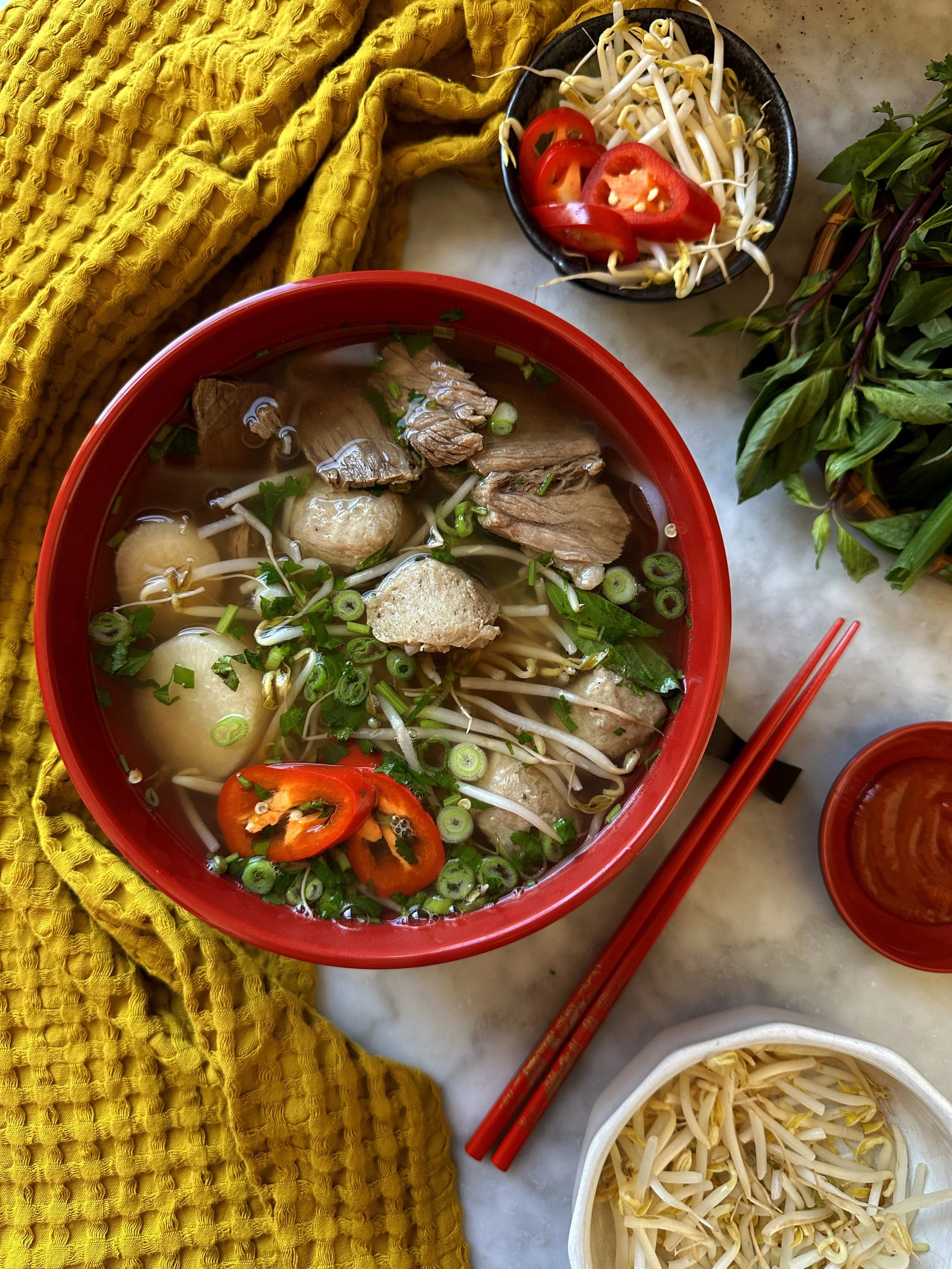
Digital Product:
A complete guide and recipe for crafting authentic Northern-style 24 hour beef pho — including our full list of tips and tricks for a flavorful, crystal-clear broth.
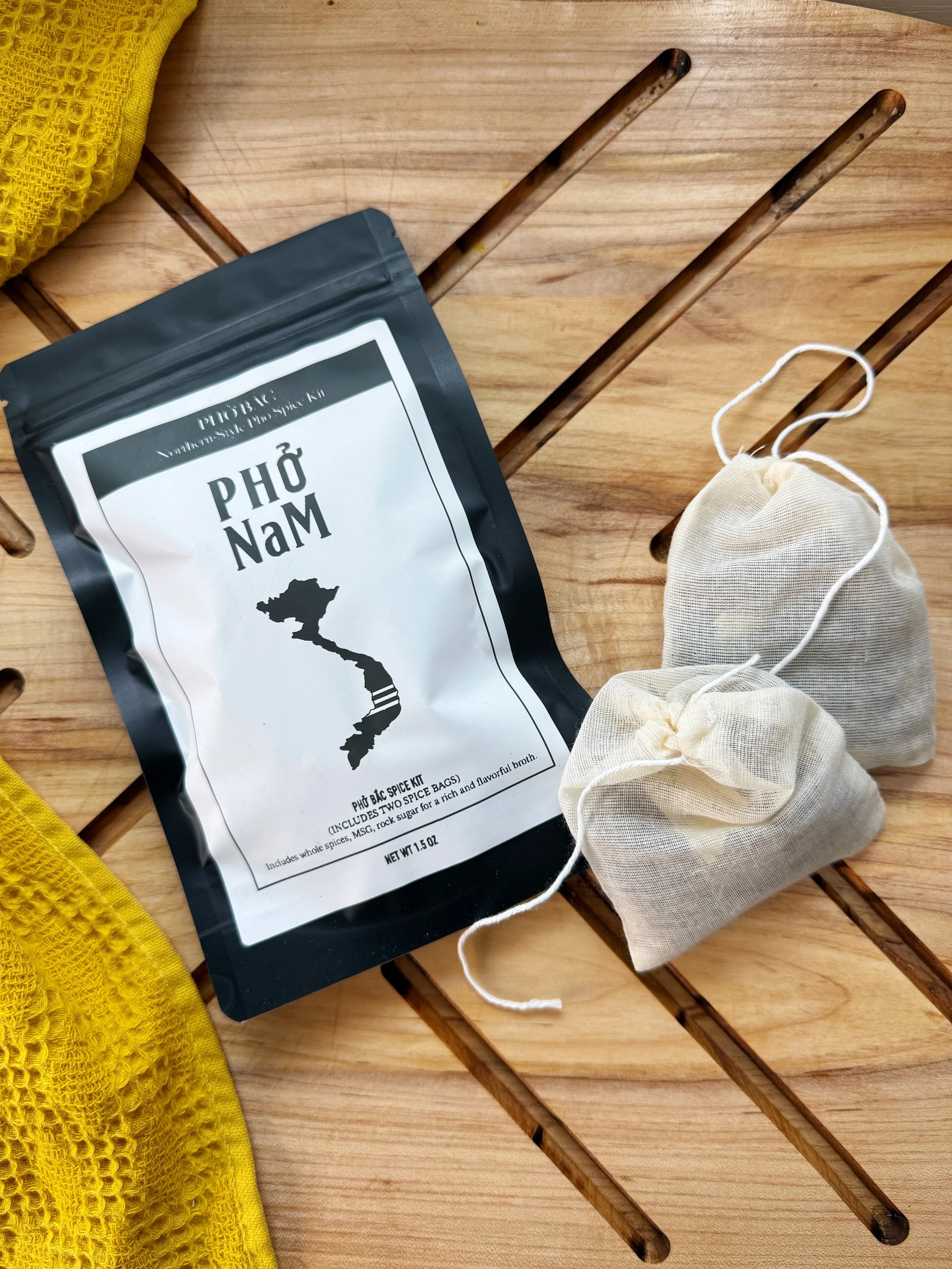
Dad’s Pho Spice Mix:
This kit includes almost everything you need to make a beef pho: 2 spice bags, rock sugar, optional MSG, and mushroom powder.